
The Odd Times
Volume 1, Issue 1 · September 2026

The Mathematics of Music and Art

Explore the surprising mathematics hidden in music, visual art, and creative thinking.

An imaginative illustration connecting musical notes, sound waves, mathematics, and art

Main Article

Can You Hear a Fraction?

Why does an octave sound so strangely right?

Play an A at 440 Hz. Play the A above it at 880 Hz.
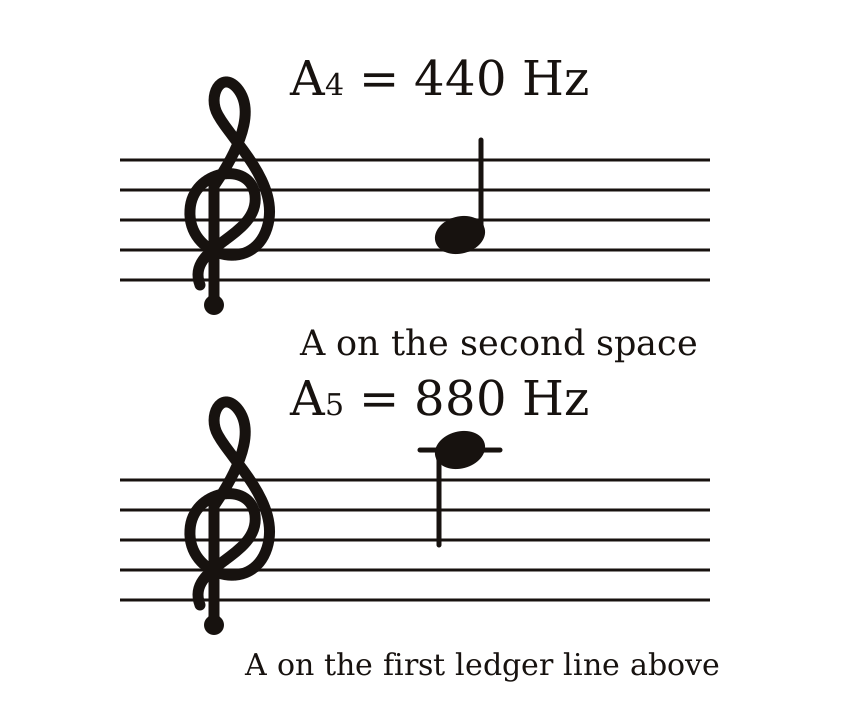
Musical notation showing A4 and A5

The second sound wave vibrates exactly twice as fast:

880 : 440 = 2 : 1
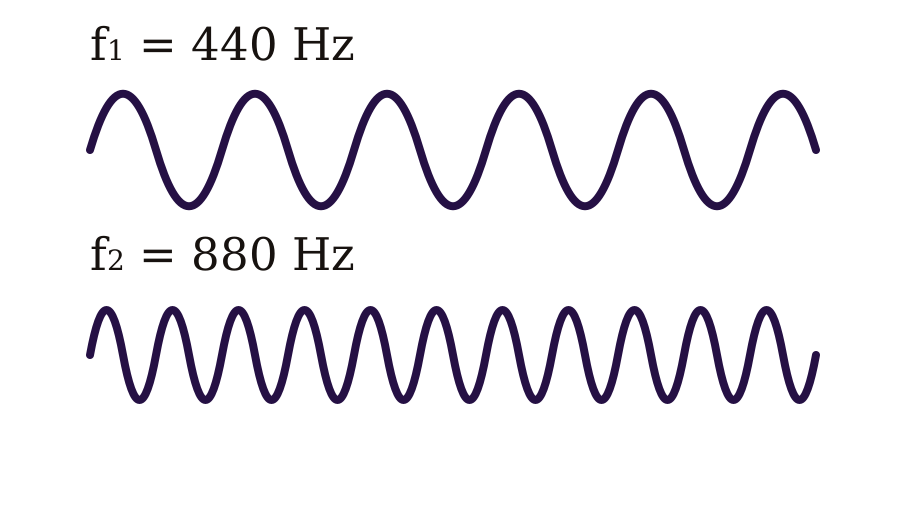
Sound waves comparing frequencies of 440 Hz and 880 Hz

Our ears hear two different pitches—but also an unusually strong relationship between them. The octave isn’t alone. Simple numerical relationships appear throughout musical intervals.

Are you listening to music or listening to mathematics?
Young Artists Talk Math

Geometry in the Creative Process

This Month: Visual Arts

Meet Bella, a young visual artist who finds geometry hiding in the creative process.

ODD Times: Do you think about math when you draw?

Bella: I don’t usually think about arithmetic, but geometry overlaps with art. I start with basic shapes, then add details.

Proportion and perspective create depth, while a flowing line guides the viewer’s eyes.

Read the full interview →

Math behind the Arts

Why Do Pirouettes Get Faster?

A dancer pulls her arms inward and speeds up.

Why? Pulling mass closer to the axis of rotation decreases the dancer’s moment of inertia. Because angular momentum is conserved, her rotational speed increases.

Figure skaters use the same principle.

The Odd Corner

When Sound Draws a Picture

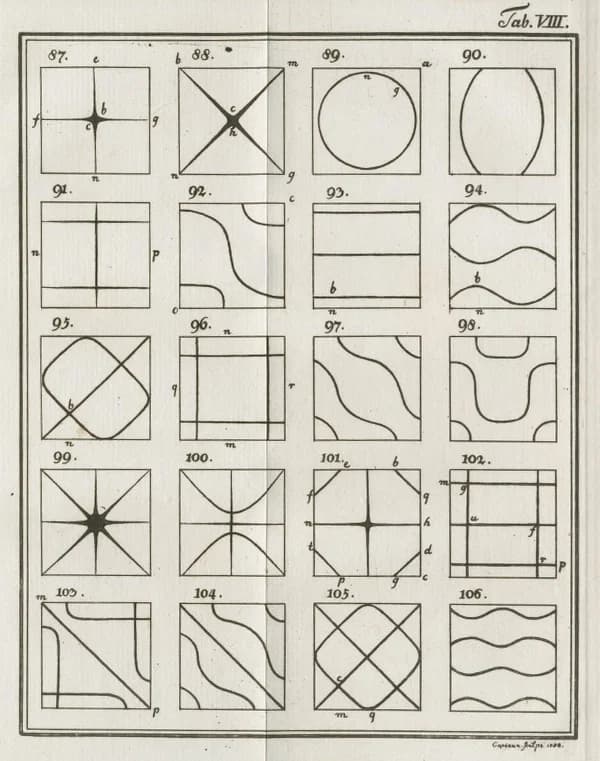
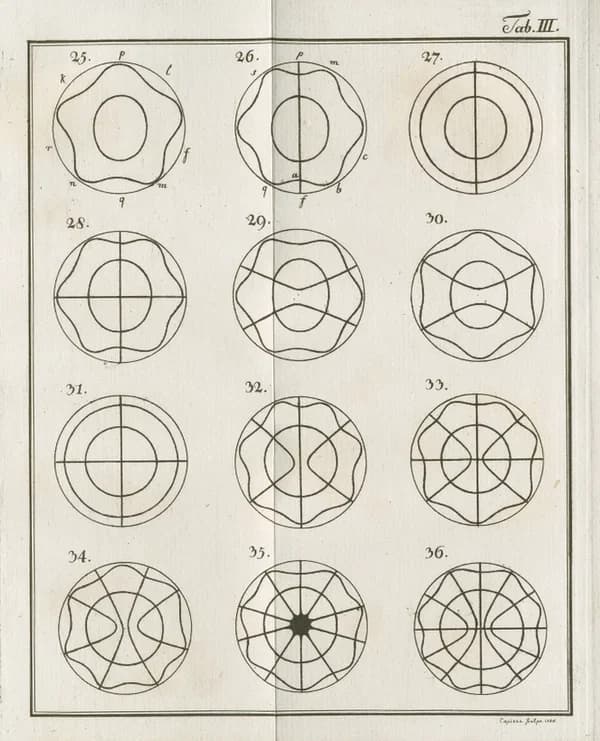
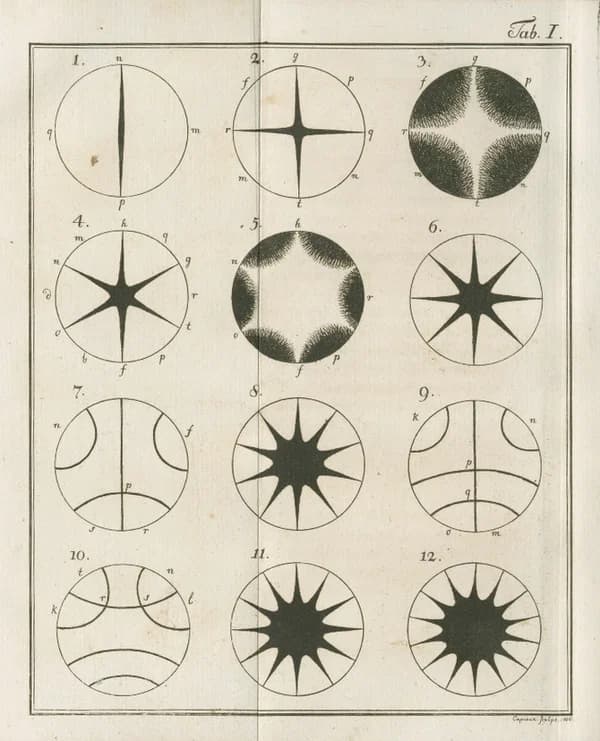
In the 1700s, physicist Ernst Chladni scattered sand across a metal plate and made the plate vibrate. The grains jumped away from the vibrating areas and gathered along still regions- forming astonishing geometric patterns. Today they’re called Chladni figures.

Sound wasn’t just something you could hear. Suddenly, you could see it.